Practical, Inclusive Teaching Resources That Actually Work in Your Classroom
Welcome to My Mum, the Teacher - a place built by a teacher for teachers!
As a teacher, education specialist, and resource creator, our goal is to help educators build trauma-informed, UDL-aligned classrooms where every student can thrive, with ready-to-use resources and real-world strategies you can trust.
MEET THE FOUNDER
Hey, I'm Christie!
I’m a teacher, mum, and education specialist who’s been in classrooms since 2008 — from mainstream to support units, across public, Catholic and independent schools.
After years of seeing how hard teachers work to support every student, I created My Mum the Teacher to share the practical, inclusive strategies and ready-to-use resources I wish I’d had starting out.
Everything I make is grounded in Universal Design for Learning, trauma-informed practice, and real classroom experience — so you can feel confident, supported, and ready to meet the needs of every learner.
Empowering Teachers. Supporting Every Student.
Practical, evidence-based tools and strategies to create inclusive, trauma-informed classrooms where both teachers and students thrive.
Ready-to-use teaching resources designed by an experienced classroom teacher
Strategies grounded in Universal Design for Learning and trauma-informed practice
Practical support for behaviour management, differentiation, and inclusive planning
Designed to save time, reduce overwhelm, and boost confidence in every educator
My Mum the Teacher exists to support educators with integrity, compassion, and real-world experience. We believe every classroom can be a space where students feel seen, valued, and capable of success, no matter their needs or learning style. Our resources and guidance are built on research, classroom-tested strategies, and a deep understanding of the challenges teachers face today. At our core, we value inclusivity, respect, and practicality — empowering teachers to make a meaningful difference while feeling confident, supported, and inspired in their practice.
Resources That Make Your Teaching Easier
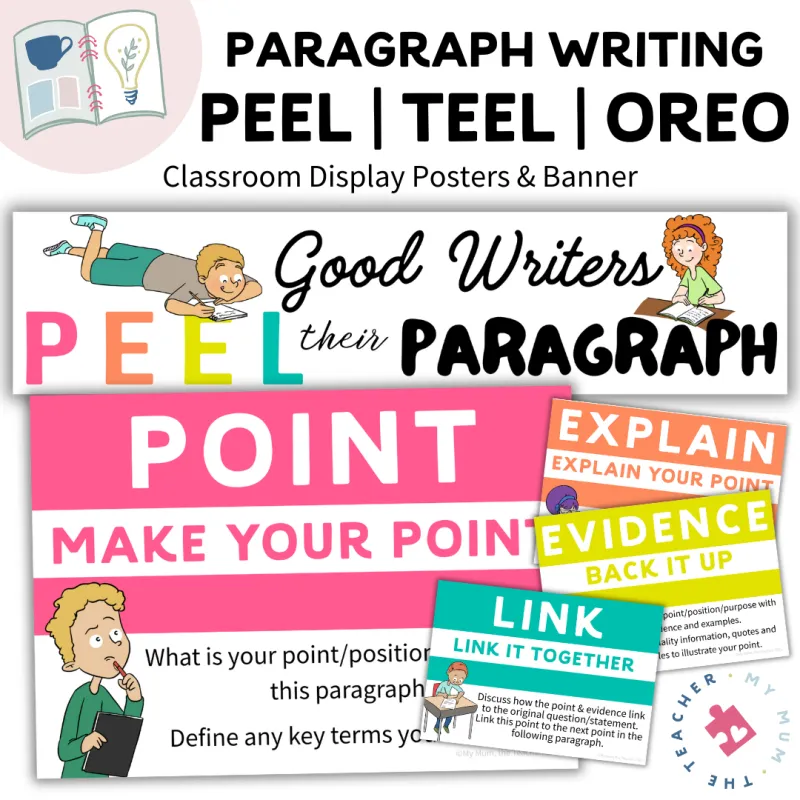
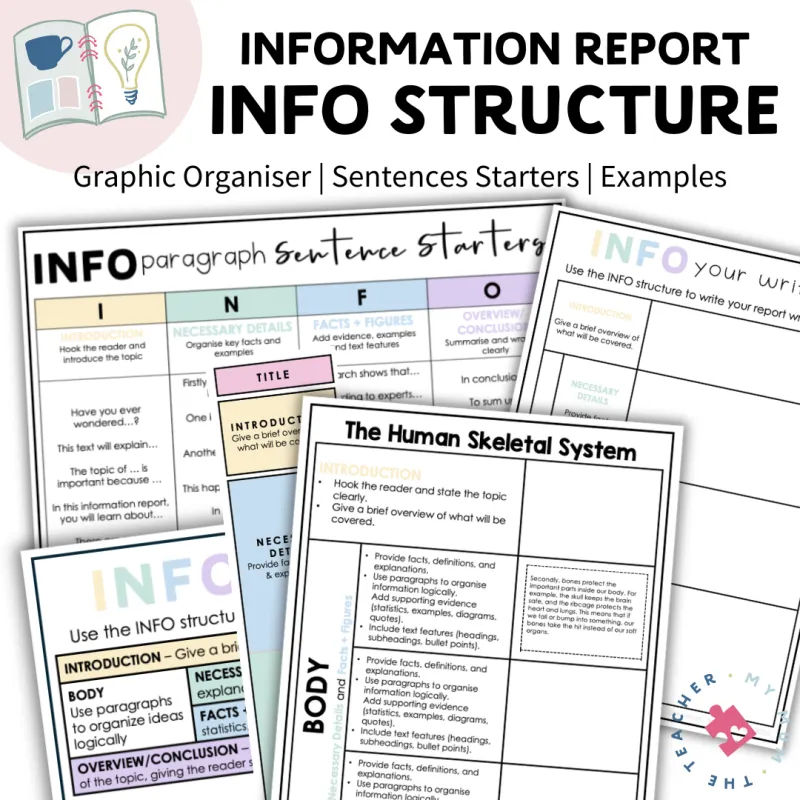
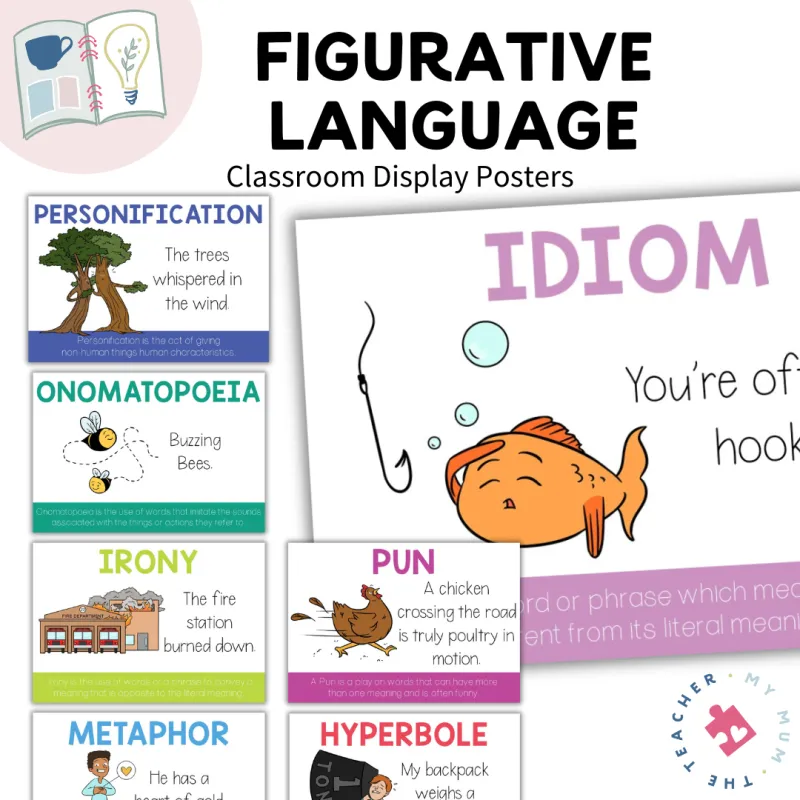
Explore ready-to-use, inclusive, and trauma-informed teaching tools designed by a classroom teacher to save you time and support every learner.
↓
For Head Teachers & Faculty Leaders
Reduce Workload.
Strengthen Teaching.
Support Your Team.
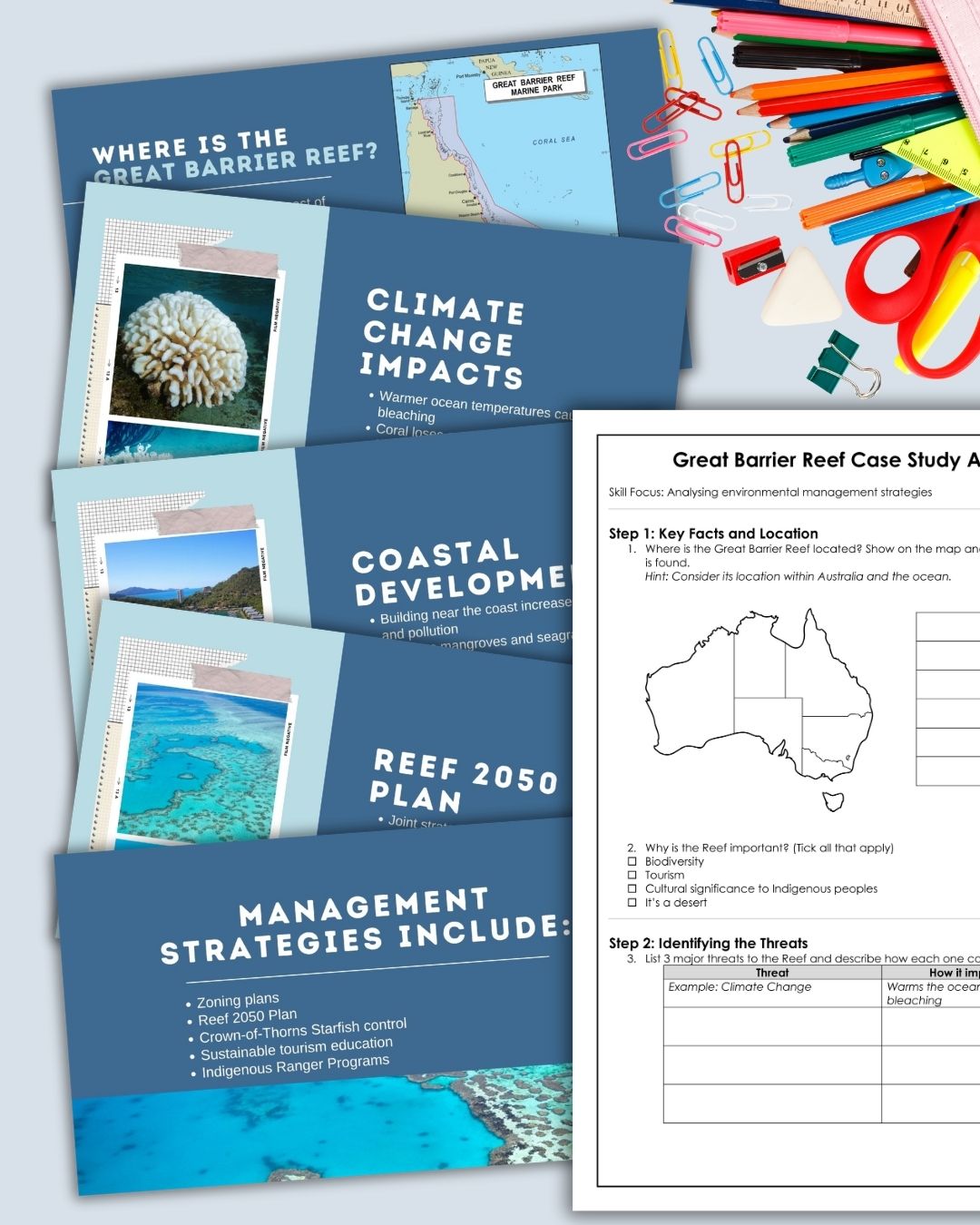
Planning for a new unit, term, or curriculum shift across a whole faculty can feel overwhelming—especially when time, consistency, and clarity all matter.
That’s where My Mum, the Teacher resources come in.
When resources are shared across a team (with the correct licensing), you create:
A consistent student experience across classes
Stronger collaboration between teachers
Streamlined planning and reduced duplication
More time for teachers to focus on teaching—not creating from scratch
If your staff are already purchasing resources individually,
this is an opportunity to:
reduce out-of-pocket costs for teachers
provide equitable access across your faculty
invest in high-quality, curriculum-aligned materials
If you’d like to explore what this could look like for your team —
Get in touch or request a quote
- Flexible options available to suit your faculty size and needs
Let’s make planning simpler, more consistent,
and more sustainable for your staff.
Lessons from the Front-Row
Why are good spellers struggling?
Why are good spellers struggling? Explore how rushing phonics, code overload and missing memory practice affect spelling, plus 6 practical classroom fixes. ...more
All Posts ,For Teachers
October 25, 2026•14 min read
NCCD Audits - Are your categorising costing your school its disability funding?
Schools across Australia are repaying millions in NCCD funding after failed audits. Learn why over-categorisation happens, why 'support class' doesn't mean 'extensive,' and 4 steps to keep your school... ...more
Inclusive Education ,All Posts For Teachers &Understanding the System
September 20, 2026•8 min read
NCCD Guidelines Part 2: Who's Actually Responsible? A Whole-School Roles and Responsibilities Framework
NCCD success depends on 5 clear roles, from classroom teacher to principal. Here's who's responsible for what — and why role clarity matters. ...more
All Posts ,For Teachers
July 26, 2026•6 min read
Join the Staffroom!
You won't want to skip this break.
Grab your coffee (or that cold cup on your desk!) and join our monthly newsletter — packed with practical tips, free resources, classroom inspiration, and a dash of teacher humour. Think of it as your friendly check-in from another educator who gets it. No spam, no overwhelm — just real support to help you create calm, inclusive, and thriving classrooms.


